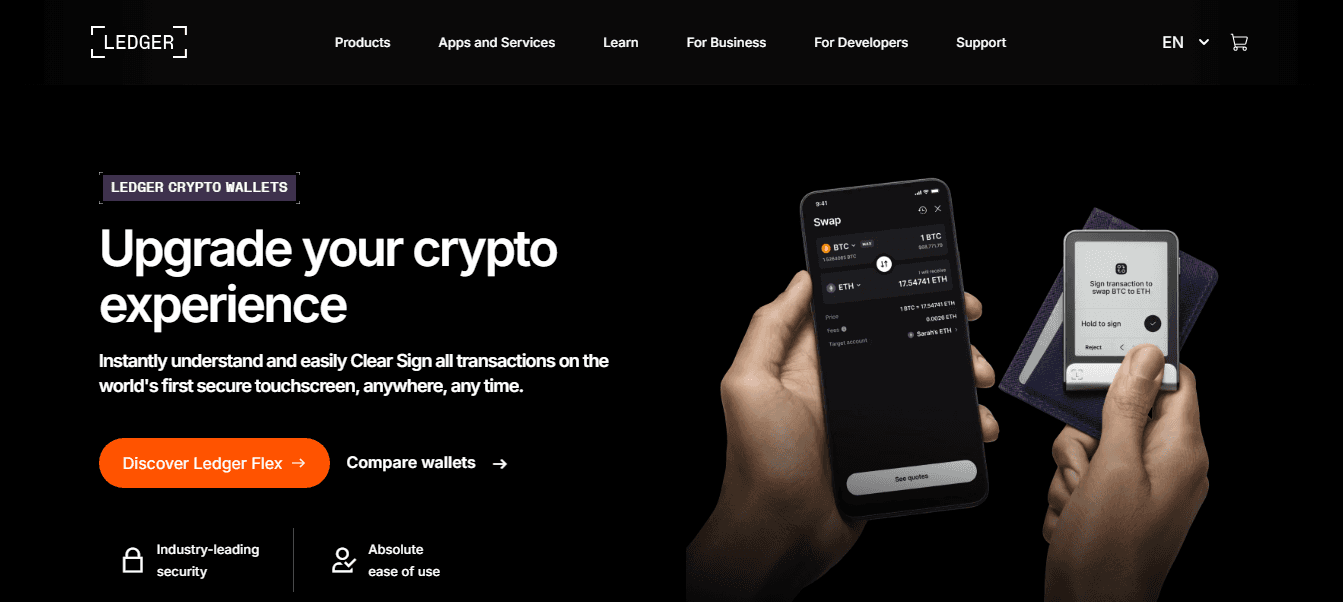
Ledger Login: Secure Access to Your Digital Assets
Ledger login is the secure method used to access and manage cryptocurrency accounts through a Ledger hardware wallet. Unlike traditional login systems that rely on usernames, passwords, or cloud-based authentication, Ledger login is built around physical device verification and cryptographic security. This approach ensures that users maintain full ownership and control of their digital assets while minimizing exposure to online threats.
What Is Ledger Login?
Ledger login refers to the process of gaining access to cryptocurrency accounts by connecting a Ledger hardware wallet to a compatible application and unlocking it with a PIN. There is no centralized Ledger account that stores credentials or controls funds. Instead, authentication happens through the hardware wallet itself, which securely stores private keys offline.
This method eliminates many common risks associated with online logins, such as phishing attacks, password leaks, and unauthorized remote access.
How Ledger Login Works
Ledger login is based on a simple but highly secure workflow.
Hardware Wallet Authentication
The Ledger hardware wallet acts as the primary authentication tool. To log in, users must physically connect the device to their computer or mobile device.
PIN-Based Access
Once connected, the user unlocks the hardware wallet by entering a PIN directly on the device. This PIN is never entered on the computer or phone, protecting it from keyloggers and malware.
Secure Session Establishment
After successful PIN verification, the application recognizes the device as authenticated and grants access to the associated cryptocurrency accounts.
Why Ledger Login Is More Secure
Ledger login is designed to address the weaknesses of traditional login systems.
No Password Dependency
There are no usernames or passwords that can be guessed, stolen, or reused across platforms.
Offline Private Keys
Private keys never leave the hardware wallet. They are not stored on the computer, mobile device, or within the application.
Physical Confirmation Requirement
Access and transactions require physical interaction with the Ledger device, making remote attacks extremely difficult.
Requirements for Ledger Login
Before using Ledger login, users must meet certain requirements.
Ledger Hardware Wallet
A compatible Ledger hardware wallet is essential. This device is responsible for storing private keys and approving access.
Ledger Application
The Ledger application must be installed to serve as the interface for viewing accounts and initiating actions.
Proper Initial Setup
The device must be initialized with a PIN and a recovery phrase. These elements form the foundation of secure login and recovery.
Step-by-Step Ledger Login Process
Understanding the login process helps users use it confidently and securely.
Step 1: Connect the Device
The Ledger hardware wallet is connected to a desktop or mobile device using a supported connection method.
Step 2: Launch the Application
The Ledger application is opened and waits for device authentication.
Step 3: Enter the PIN
The user enters the PIN directly on the hardware wallet. If the PIN is correct, the device unlocks.
Step 4: Access Accounts
Once authenticated, the application displays the available cryptocurrency accounts and balances.
Role of the Hardware Wallet in Login Security
The hardware wallet is the core security component of Ledger login.
Secure Element Protection
The device uses a secure environment to store private keys, protecting them from physical and digital attacks.
Isolated Key Storage
Private keys are isolated from the operating system of the connected device, reducing the attack surface.
Manual Authorization
Even after login, all sensitive actions require manual approval on the hardware wallet.
Ledger Login and Account Management
Ledger login provides access to asset accounts rather than a centralized user profile.
Viewing Balances
After logging in, users can view balances for all supported cryptocurrencies linked to the device.
Managing Multiple Accounts
Users can create multiple accounts for the same cryptocurrency to organize funds for different purposes.
Reviewing Transaction History
Transaction records are available after login, allowing users to monitor activity and confirm transfers.
Security Layers Within Ledger Login
Ledger login uses multiple layers of defense to protect user assets.
PIN Protection
The PIN prevents unauthorized physical access. Repeated incorrect entries can trigger security measures to protect the device.
Encrypted Communication
Data exchanged between the application and the hardware wallet is encrypted to prevent interception.
Device Screen Verification
Critical information such as access approvals and transaction details must be verified on the device screen.
Resistance to Malware
Because private keys never interact with the connected system, common malware threats are ineffective.
Privacy Benefits of Ledger Login
Ledger login is designed with privacy in mind.
No Personal Data Required
Users do not need to provide personal information such as email addresses or phone numbers to log in.
No Centralized Database
There is no centralized user database that could be targeted by attackers.
Full Self-Custody
Users remain in complete control of their assets without relying on third-party custodians.
Common Ledger Login Challenges
While Ledger login is reliable, users may occasionally encounter issues.
Incorrect PIN Attempts
Entering the wrong PIN multiple times can temporarily lock or reset the device for security reasons.
Device Connection Issues
Connection problems can usually be resolved by reconnecting the device or restarting the application.
Lost or Reset Device
If the device is lost or reset, access can be restored using the recovery phrase.
Backup and Recovery for Login Access
Backup and recovery are essential parts of secure Ledger login.
Recovery Phrase Importance
The recovery phrase is the master backup for all accounts. It is the only way to restore access if the hardware wallet is unavailable.
Secure Storage of Recovery Phrase
The recovery phrase should be written down and stored offline in a secure location.
Restoring Login Access
Using the recovery phrase, users can restore their accounts on a new or reset Ledger device and regain login access.
Best Practices for Safe Ledger Login
Following best practices ensures long-term protection.
Always unlock the device in a private environment
Never share the PIN or recovery phrase
Verify device screens during login and transactions
Avoid using untrusted or public computers
Keep the application and device firmware updated
These habits greatly reduce the risk of unauthorized access.
Ledger Login vs Traditional Wallet Logins
Traditional wallets rely on passwords, cloud authentication, or custodial access. These methods introduce risks such as data breaches and account takeovers.
Ledger login relies on physical ownership, offline key storage, and cryptographic verification. This makes it significantly more secure and gives users complete independence.
Who Should Use Ledger Login?
Ledger login is suitable for:
Users who prioritize security and control
Long-term cryptocurrency holders
Individuals managing valuable digital assets
Anyone seeking self-custody without third-party reliance
It is designed to scale with both beginners and advanced users.
Conclusion
Ledger login provides a secure, private, and reliable method for accessing cryptocurrency accounts. By eliminating traditional usernames and passwords and relying on hardware-based authentication, it significantly reduces common security risks.
With offline private key storage, PIN protection, encrypted communication, and physical confirmation, Ledger login sets a strong standard for secure access in the cryptocurrency ecosystem. When combined with proper backup management and safe usage practices, it offers users confidence and peace of mind while managing their digital assets.