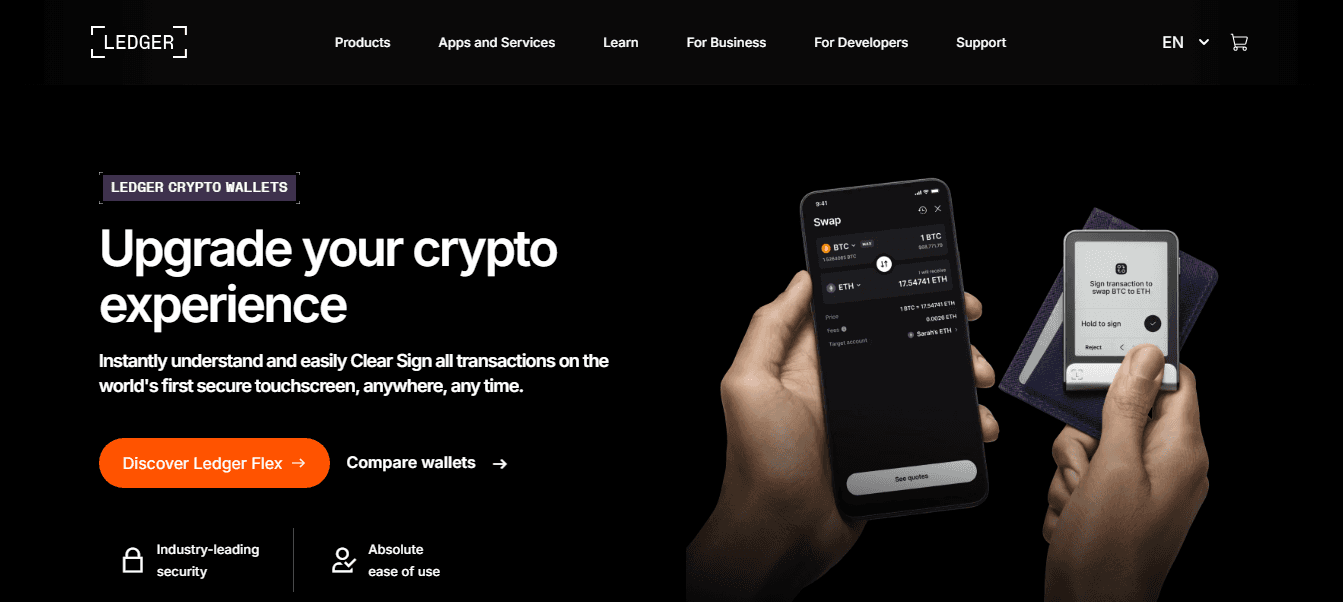
Ledger Login: Secure Access to Cryptocurrency Through Hardware Authentication
Ledger login is the process used to securely access and manage cryptocurrency accounts with the help of a Ledger hardware wallet. Unlike traditional login systems that rely on usernames, passwords, or cloud-based authentication, Ledger login is built on physical device verification and cryptographic security. This approach ensures that users retain complete ownership of their digital assets while minimizing exposure to online threats.
What Does Ledger Login Mean?
Ledger login does not involve signing in to a web account or entering credentials online. Instead, it refers to gaining secure access to cryptocurrency accounts by connecting a Ledger hardware wallet and unlocking it with a PIN. The hardware wallet stores private keys offline, and access is only granted when the device is physically present and properly authenticated.
This system removes many common vulnerabilities associated with conventional login methods and places control entirely in the hands of the user.
The Philosophy Behind Ledger Login
The core idea behind Ledger login is self-custody. In traditional financial systems, third parties often control access to funds. In contrast, Ledger login is designed so that only the wallet owner can access and authorize actions.
By eliminating passwords, centralized accounts, and remote authentication, Ledger login reduces the risk of hacking, phishing, and unauthorized access. The system prioritizes security, transparency, and user independence.
Essential Requirements for Ledger Login
Before using Ledger login, certain components must be in place.
Ledger Hardware Wallet
A Ledger hardware wallet is the foundation of the login process. It securely stores private keys in a protected environment and acts as the main authentication device.
Ledger Application Interface
The Ledger application is used to interact with the hardware wallet. It displays account balances, transaction history, and wallet activity after login.
Completed Initial Setup
The hardware wallet must be initialized with a PIN and a recovery phrase. These elements are critical for secure login and future recovery.
How the Ledger Login Process Works
Ledger login follows a structured and secure workflow that emphasizes physical verification.
Connecting the Hardware Wallet
The process begins by connecting the Ledger device to a computer or mobile device. Once connected, the application recognizes the wallet and waits for authentication.
Unlocking the Device with a PIN
Users unlock the device by entering a PIN directly on the hardware wallet. This PIN is never typed on the computer or phone, protecting it from digital threats.
Authentication and Access
After successful PIN entry, the device is authenticated. The application then allows access to the associated cryptocurrency accounts.
Ongoing Security Checks
Even after login, sensitive actions such as transactions require additional confirmation on the hardware wallet.
Why Ledger Login Is More Secure Than Traditional Logins
Ledger login offers several advantages over conventional authentication systems.
No Passwords or Usernames
There are no login credentials that can be guessed, reused, or stolen through phishing attacks.
Offline Storage of Private Keys
Private keys remain on the hardware wallet at all times and never interact with the internet-connected device.
Physical Possession Requirement
Access is only possible with the physical Ledger device, making remote attacks extremely difficult.
Manual Confirmation
Every important action must be approved on the device screen, adding an extra layer of protection.
Ledger Login and Account Access
Ledger login provides access to cryptocurrency accounts rather than a centralized user profile.
Viewing Cryptocurrency Balances
Once logged in, users can view balances for all supported cryptocurrencies stored on the device.
Managing Multiple Accounts
Users can create and manage multiple accounts for the same asset. This helps organize funds for different purposes such as savings or daily use.
Reviewing Transaction History
Ledger login allows users to view past transactions, helping them track wallet activity and confirm transfers.
Security Layers Built Into Ledger Login
Ledger login relies on multiple security layers working together.
PIN-Based Protection
The PIN protects the device from unauthorized physical access. Repeated incorrect attempts can trigger protective measures.
Encrypted Communication
All communication between the Ledger application and the hardware wallet is encrypted to prevent data interception.
On-Device Verification
Critical details such as access approvals and transaction data must be verified directly on the device screen.
Protection Against Malware
Because private keys never touch the operating system, common malware threats are ineffective.
Privacy Benefits of Ledger Login
Ledger login is designed to respect user privacy.
No Personal Information Required
Users do not need to provide names, email addresses, or phone numbers to log in.
No Centralized Database
There is no central server storing login credentials or account access details.
Complete Ownership
Users maintain full ownership and control over their assets at all times.
Common Challenges During Ledger Login
While Ledger login is reliable, users may occasionally face issues.
Incorrect PIN Attempts
Entering the wrong PIN multiple times can temporarily lock or reset the device as a security measure.
Connection Problems
If the device is not recognized, reconnecting it or restarting the application usually resolves the issue.
Lost or Reset Device
If the hardware wallet is lost or reset, access can be restored using the recovery phrase.
Backup and Recovery Related to Ledger Login
Backup and recovery are critical aspects of secure access.
Understanding the Recovery Phrase
The recovery phrase is generated during device setup and acts as a master backup for all accounts.
Safe Storage of the Recovery Phrase
The recovery phrase should be written down and stored securely offline. It should never be shared or stored digitally.
Restoring Login Access
Using the recovery phrase, users can restore their wallet on a new or reset device and regain login access.
Best Practices for Secure Ledger Login
Following best practices helps ensure long-term safety.
Unlock the device in a private environment
Never share the PIN or recovery phrase
Carefully verify information on the device screen
Avoid using untrusted or public computers
Keep the application and device firmware updated
These habits significantly reduce the risk of unauthorized access.
Ledger Login Compared to Traditional Wallet Logins
Traditional wallet systems rely on online credentials and centralized authentication, which can be compromised through data breaches or phishing. Ledger login removes these risks by relying on physical authentication and offline key storage.
This model provides stronger security, greater independence, and improved peace of mind for cryptocurrency users.
Who Should Use Ledger Login?
Ledger login is ideal for:
Users who prioritize security and self-custody
Long-term cryptocurrency holders
Individuals managing valuable digital assets
Anyone seeking independence from third-party control
It is designed to support both beginners and experienced users.
Conclusion
Ledger login provides a secure, private, and reliable method for accessing cryptocurrency accounts. By eliminating traditional usernames and passwords and relying on hardware-based authentication, it significantly reduces common security vulnerabilities.
With offline private key storage, PIN protection, encrypted communication, and physical confirmation, Ledger login sets a high standard for secure access in the digital asset space. When combined with proper backup management and responsible usage, it empowers users to manage their cryptocurrency with confidence and full control.